Rhythmic Machine
Download the methods
To download the methods, click here
Target group
No. of pax
Environment
Time needed
Materials
None
Objective/aim
The aim of the activity is to help participants understand how collective work and synchronization are fundamental to the proper functioning of a group. The rhythmic machine acts as a social metaphor, where each individual is a “part” that contributes to the collective mechanism, exploring the dynamics of power, cooperation, and opposition in a group context.
Step by step instructions
Step 1
Introduction to the rhythmic machine
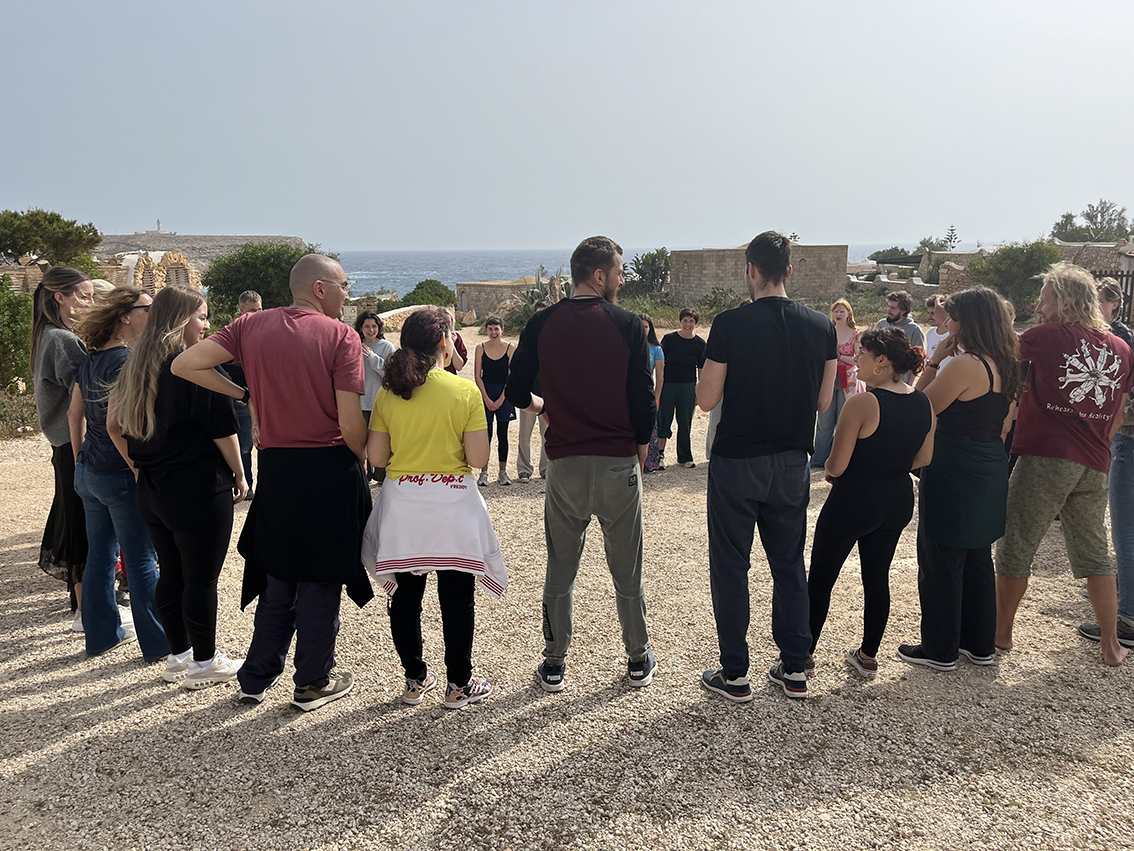
The facilitator explains the concept of the “rhythmic machine” and how each participant will be part of a mechanism that depends on everyone’s harmony and cooperation.
Each participant becomes a “part” of the machine, which can be a body movement or a sound.
Step 2
Creating the base rhythm
The facilitator guides the participants in creating a base rhythm using simple sounds or movements.
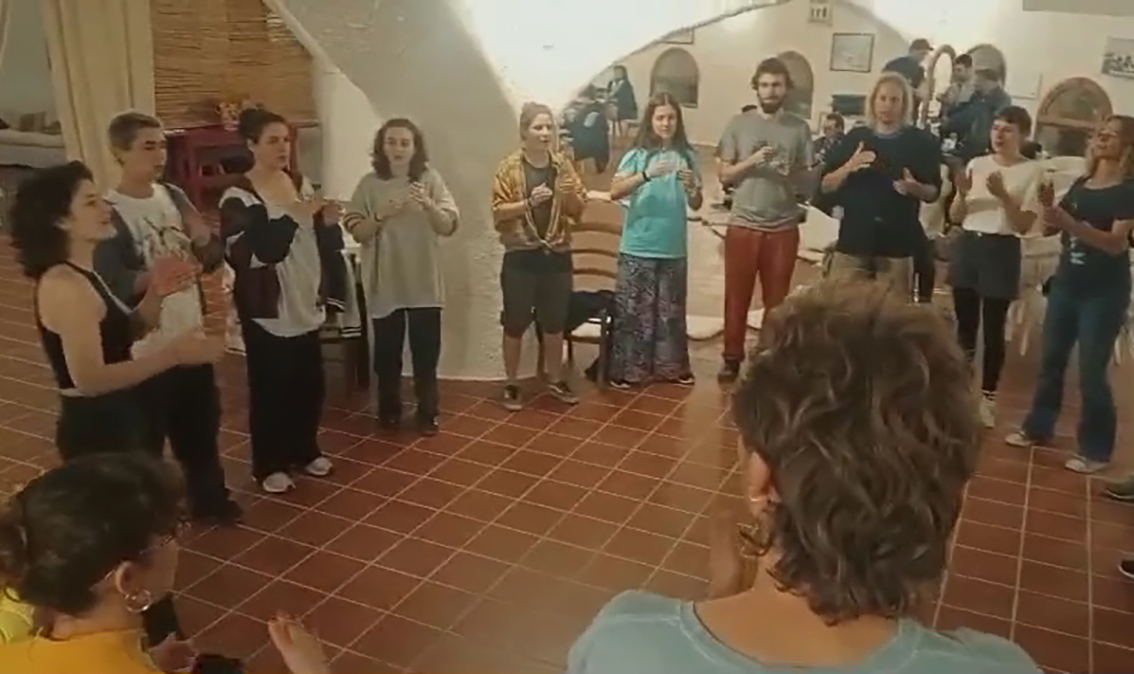
Each person is invited to contribute to a specific sound or movement, such as clapping hands, stomping feet, or making a vocal sound.
Step 3
Synchronization and building the group
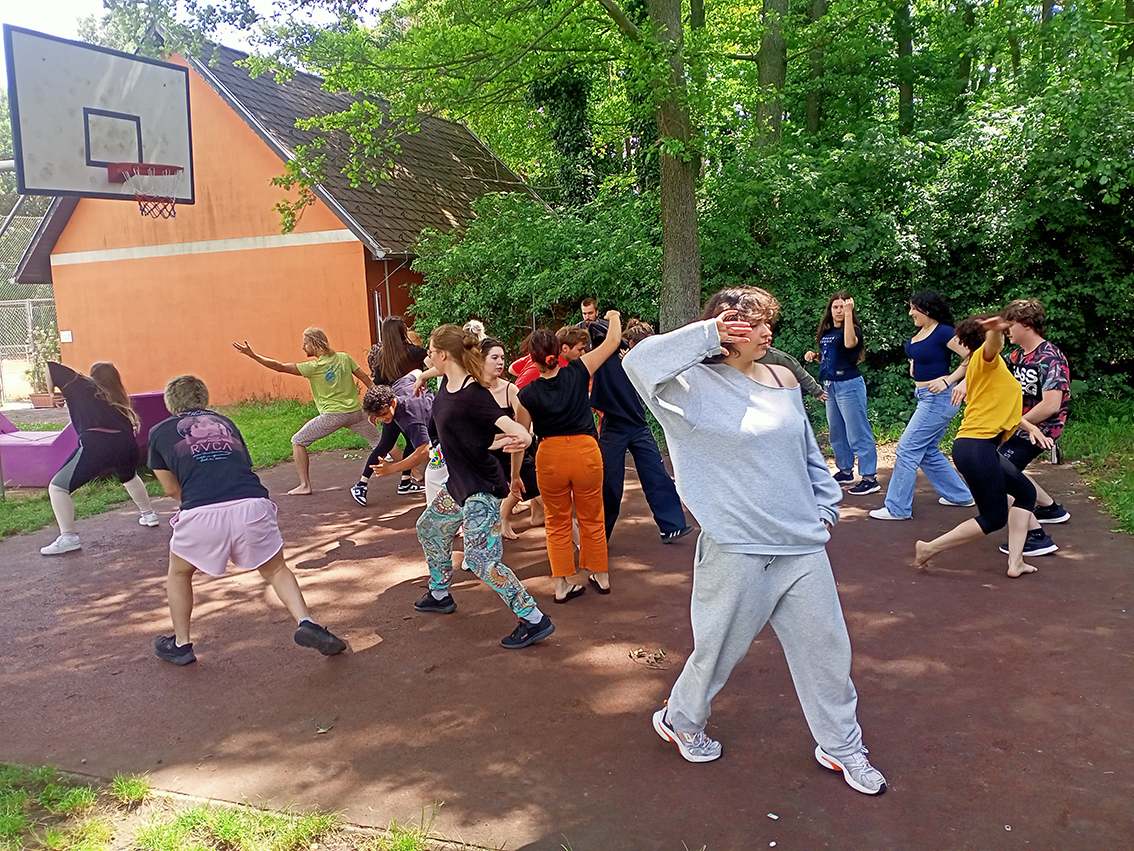
The group starts working together to maintain the synchronization of the rhythm.
Each participant must follow the collective rhythm, contributing to the creation of the flow without interrupting it.
The facilitator observes and guides the group, encouraging mutual listening and harmony.
Step 4
Developing the collective rhythm
The facilitator introduces variations in the base rhythm, adding new actions or sounds.
For example, if the rhythm is created by clapping hands, you can add a vocal sound combined with a different movement of the body. Or, in a 4/4 rhythm you can insert a single sound, combined with a movement, tied to one of the four beats.
Each participant must adapt and modify their contribution to maintain the collective rhythmic flow.
At this stage, the group explores how the rhythm becomes increasingly complex but must remain synchronized.
Step 5
Exploring dissonances
The facilitator introduces moments of dissonance, where some participants deliberately interrupt the rhythm or perform actions that contrast with the group. For example, you can add a long sound with the voice connected to a movement, or sing a part of a song that is out of sync, disconnected from the rest of the rhythm.This moment is used to reflect on how “dissonances” or conflicts can affect the functioning of a group. The group must try to restore harmony and find the common rhythm again.
Step 6
Debriefing and reflection
After the exercise, a discussion opens about the process.
Participants are invited to reflect on how they felt working together and the dynamics observed.
Some questions to ask during the debriefing:
• How was it to work together to maintain the common rhythm?
• What happened when someone interrupted the flow? How was synchronization restored?
• What power or cooperation dynamics emerged during the activity?
Tips for the trainer
Ensure that every participant has the opportunity to contribute to the collective rhythm.
• If the group struggles to maintain the rhythm, it is helpful to take breaks to focus on individual actions and then resume the rhythm together.
• Use moments of dissonance as opportunities to explore the dynamics of conflict and cooperation within the group.
Alternative
The sounds can be replaced with words or phrases. The rhythmic machine can thus be adapted to a social context. For example: through the creation of phrases spoken to a rhythm, one can create the rhythmic machine of the school, the rhythmic machine of office work, or the rhythmic machine of a day at the beach.
Comment
Source
Adapted by Emilio Ajovalasit from the “Theatre of the Oppressed” method by Augusto Boal.